
Connection doesn’t always look the same in memory care, but it never loses its importance. It simply takes on a different shape.
It’s not always about remembering names or following long conversations from beginning to end. It’s not always about recalling what happened yesterday or recognizing every face in the room. But even as memory changes, the experience of connection remains.
In many ways, it becomes more meaningful, not less. What stays with someone is the feeling of being welcomed, understood, and not alone in their day.
The Comfort of Familiarity
For residents living with memory loss, familiarity provides a steady sense of comfort. While individual details may fade, the rhythm of daily life becomes something they can rely on.
Seeing the same faces each day, hearing familiar voices, and returning to spaces that feel recognizable helps create a sense of stability. Even when a resident can’t explain why something feels familiar, that recognition often shows up in more subtle ways. They may relax more easily, engage a little more, or simply feel at ease in their surroundings.
Over time, these repeated experiences begin to build a foundation. It’s not based on memory in the traditional sense, but on the emotional familiarity that develops through consistency.
How Connection Begins
Connection in memory care often starts in quiet, unstructured ways. That might be sitting next to someone during a meal and gradually becoming used to their presence. It might be listening to music together, sharing a smile, or exchanging a few words that don’t need to lead anywhere in particular.
These moments don’t need to be long or complex to matter. In fact, their simplicity is often what makes them effective. There’s no pressure to perform or remember, only the opportunity to share space with someone else.
Because these interactions occur regularly, they become natural. Over time, that familiarity can deepen, even if it doesn’t fit the traditional idea of friendship.
The Role of Being Around Others
There is a quiet, but important, impact that comes from simply being around other people.
Social engagement can help reduce anxiety and improve overall quality of life for individuals living with dementia. While the research supports it, the effects are often also visible in real life, in small, everyday ways. A resident who feels comfortable in their environment may appear calmer, more settled, and more open to interaction.
Even when conversation is limited, shared space creates a sense of connection. Residents see others going about their routines, hear the sounds of daily life, and feel the presence of a community around them. This helps reduce the sense of isolation that can sometimes accompany memory loss.
Friendship, Reimagined
Friendship in memory care doesn’t always look the way people expect it to. It may not involve long conversations or shared stories from the past. Instead, it often develops through repeated, familiar interactions. Sitting in the same place, seeing the same people, and taking part in similar activities each day creates a sense of recognition.
Over time, residents may begin to gravitate toward certain individuals, even if they can’t explain why. They may respond more positively in their presence or show signs of comfort when they are nearby.
This is a different kind of friendship, but it is no less real. It’s based on familiarity, comfort, and the sense of ease that comes from being around someone who feels known.
Meaningful Moments in Everyday Experiences
Some of the most meaningful connections in memory care happen during simple, everyday moments. Sensory engagement, including music and visual stimulation, can help improve mood and reduce agitation in individuals with dementia. These experiences don’t rely on memory, instead creating immediate, positive feelings that can shape the tone of the day
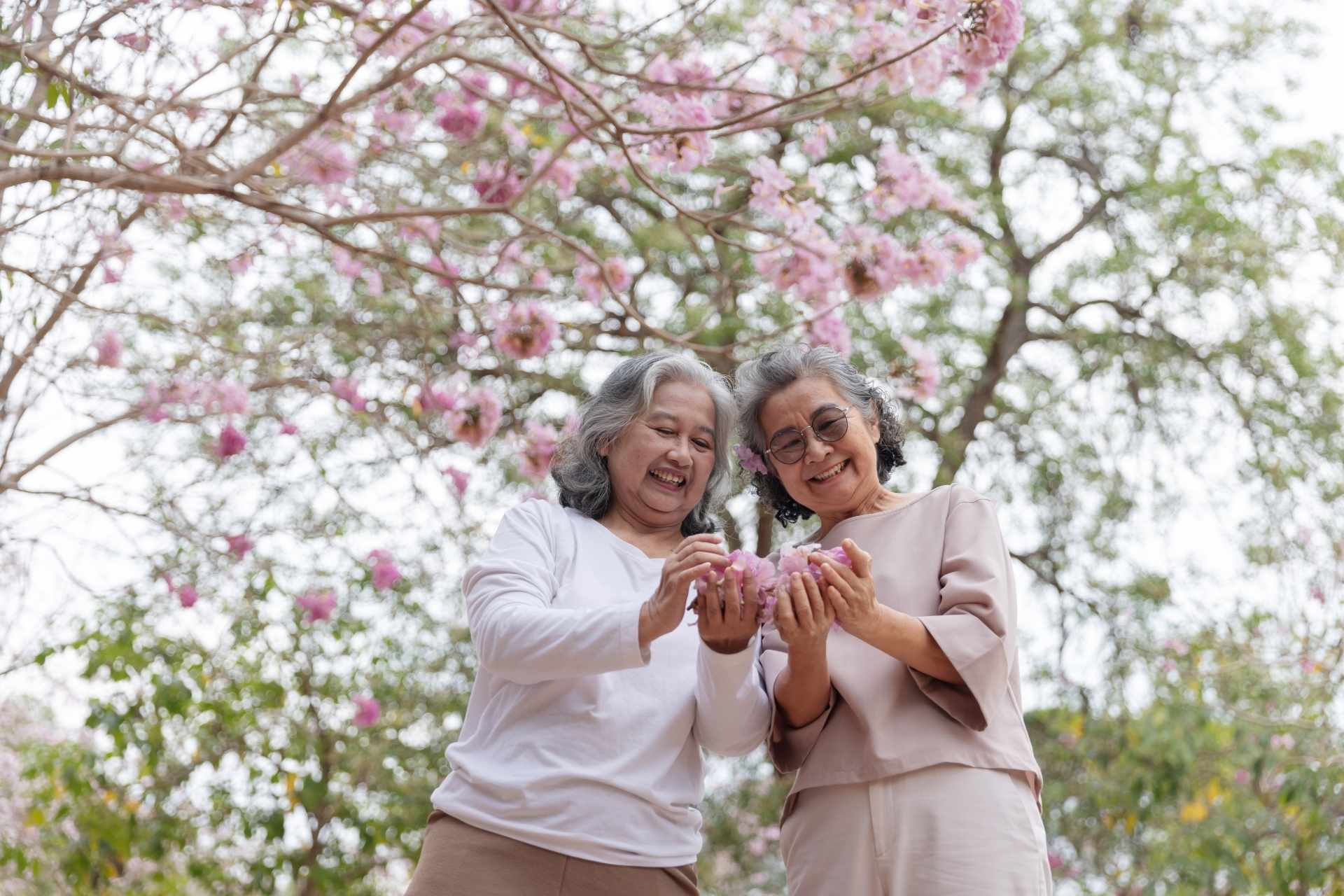
For example, listening to a familiar song together can bring a sense of calm, while sitting near a window with natural light can create a peaceful shared experience. Engaging in a small activity, like arranging flowers or handling familiar objects, can offer a sense of connection without requiring explanation.
A Community Built Around Connection
At Priority Life Care, memory care is shaped by the understanding that connection doesn’t have to be complicated to be meaningful.
What matters most to us is creating an environment where residents feel safe, supported, and gently connected to the people around them. Where familiar faces become part of the day, and where small, shared moments create a sense of belonging over time.
If you’d like to learn more about how our memory care communities support comfort, connection, and everyday wellbeing, reach out. We’re here for you and your loved one, every step of the way.
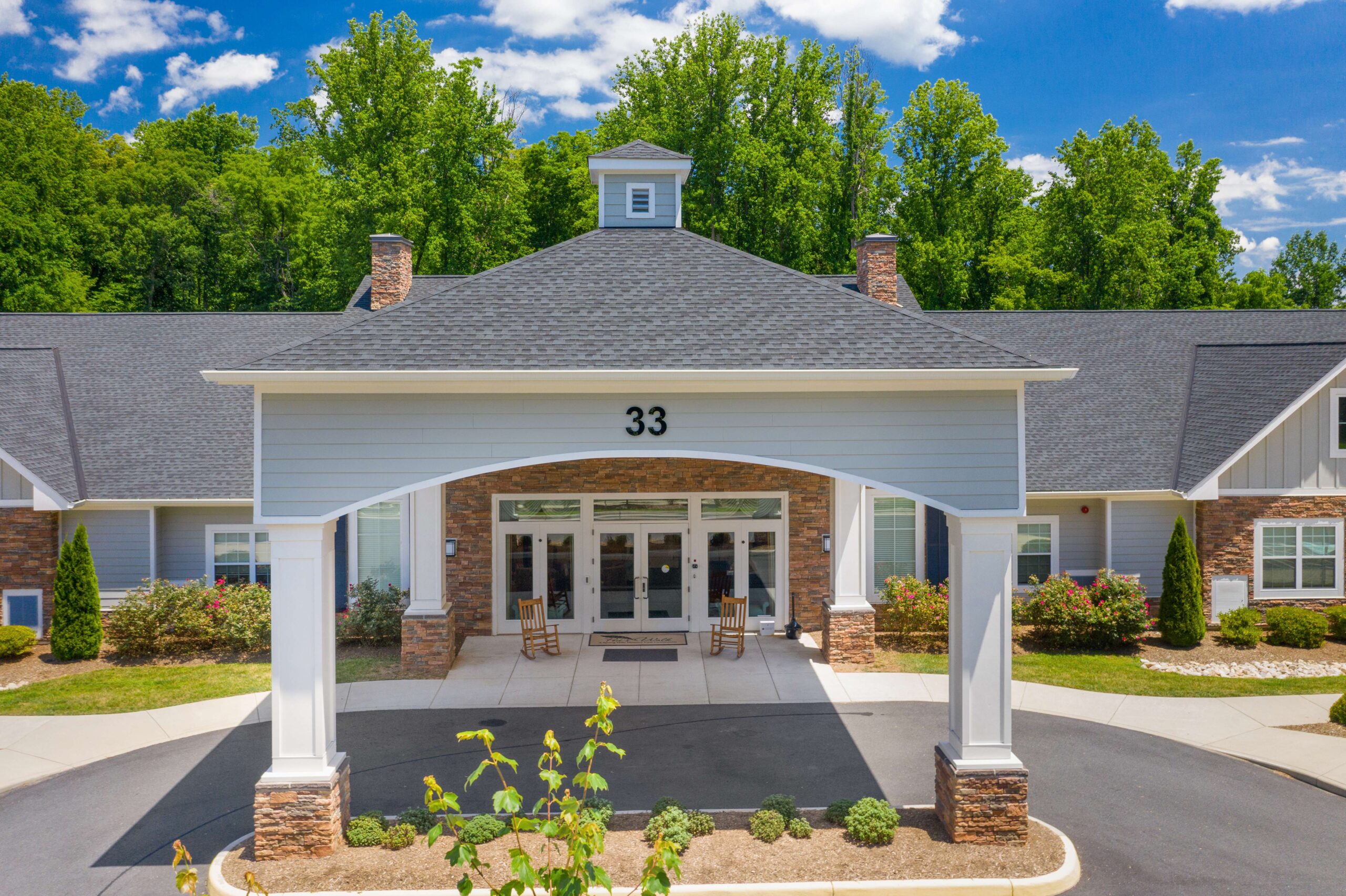
Poet’s Walk Warrenton provides a welcoming setting where residents can build lasting friendships while staying connected to the local community. Sky Meadows State Park, Old Town Warrenton, and Warrenton Village Center create enjoyable destinations for outings throughout the year. Located near Fauquier Health Hospital, the community offers residents the support they need while remaining close to the charm and traditions of Fauquier County.